Good idea.
Now make it a product.
A market opportunity, founder insight, or product-line gap is only the beginning.
Telodyn can take a product from the first architecture decisions through mechanical design, prototypes, validation, tooling, sourcing, manufacturing, and production launch—so the product and the way it gets made develop together.
Start here
What are you trying to build or improve?
Tell us what you're working on, what you're trying to accomplish, and what is getting in the way.
When to Call
When the opportunity is clearer than the product.
You may know the customer, the unmet need, or the adjacent market without yet knowing exactly what the product should become.
01
New product from scratch
A customer problem or market opportunity exists, but the physical product has not been defined yet.
02
Product-line extension
An existing product needs a new size, application, interface, configuration, or adjacent offering.
03
Concept without architecture
There are sketches, prototypes, or individual mechanisms, but not yet a coherent product system.
04
Missing development bandwidth
The market and business knowledge exist, but the organization does not have the complete product-development capability internally.
Develop the Whole Product
Design the product and the path to make it at the same time.
Manufacturing, cost, suppliers, interfaces, service, and future variants are design inputs—not problems to hand off after the geometry is finished.
ARCHITECTURE
Define the product before polishing the parts
Establish function, interfaces, constraints, modularity, product boundaries, and the decisions that will shape the rest of development.
ENGINEERING
Turn the architecture into working hardware
Mechanical design, analysis, materials, tolerances, prototyping, and physical iteration converge the product toward something that works in the real world.
REALIZATION
Build manufacturability into the design
Process selection, tooling, supplier capability, assembly sequence, inspection, and cost develop alongside the product rather than after it.
LAUNCH
Leave behind a product the business can own
Product definition, sourcing, tooling, revisions, configurations, and manufacturing knowledge are made usable beyond the development project itself.
Aligned from the Beginning
We don't measure success in engineering hours.
Telodyn selectively partners on products and capabilities where there is a strong technical and commercial fit. The objective is not to keep a project busy. It is to build something worth owning, making, and growing.
Each side invests what it uniquely has.
The client brings the market opportunity, domain knowledge, customer access, and commitment to the product. Telodyn brings product architecture, engineering, manufacturing development, suppliers, and the capability needed to make it real.
SHARED OUTCOME
Build value, not billable activity
The objective is a successful product and durable capability—not maximizing the amount of engineering consumed along the way.
MUTUAL COMMITMENT
Both sides bring something meaningful
Knowledge, access, engineering capability, infrastructure, IP, capital, or development effort can all be part of the value each side contributes.
LIFECYCLE ALIGNMENT
Stay aligned after launch
When it makes sense, the relationship can continue into production, product-line growth, manufacturing support, or shared commercial upside.
What the Work May Include
Whatever has to exist for the product to become real.
The exact work depends on the product. Telodyn can span the gaps between disciplines instead of forcing the project into a sequence of disconnected handoffs.
Product architecture
Mechanical design
Prototypes & test hardware
Validation planning
DFM & tolerance strategy
Tooling & fixtures
Supplier development
Production launch
Development in the Real World
Products become clear by making, testing, and refining.
CAD defines the architecture. Prototypes expose fit, function, access, interfaces, and manufacturing reality. The objective is not just a working prototype—it is a product that can be made repeatedly.
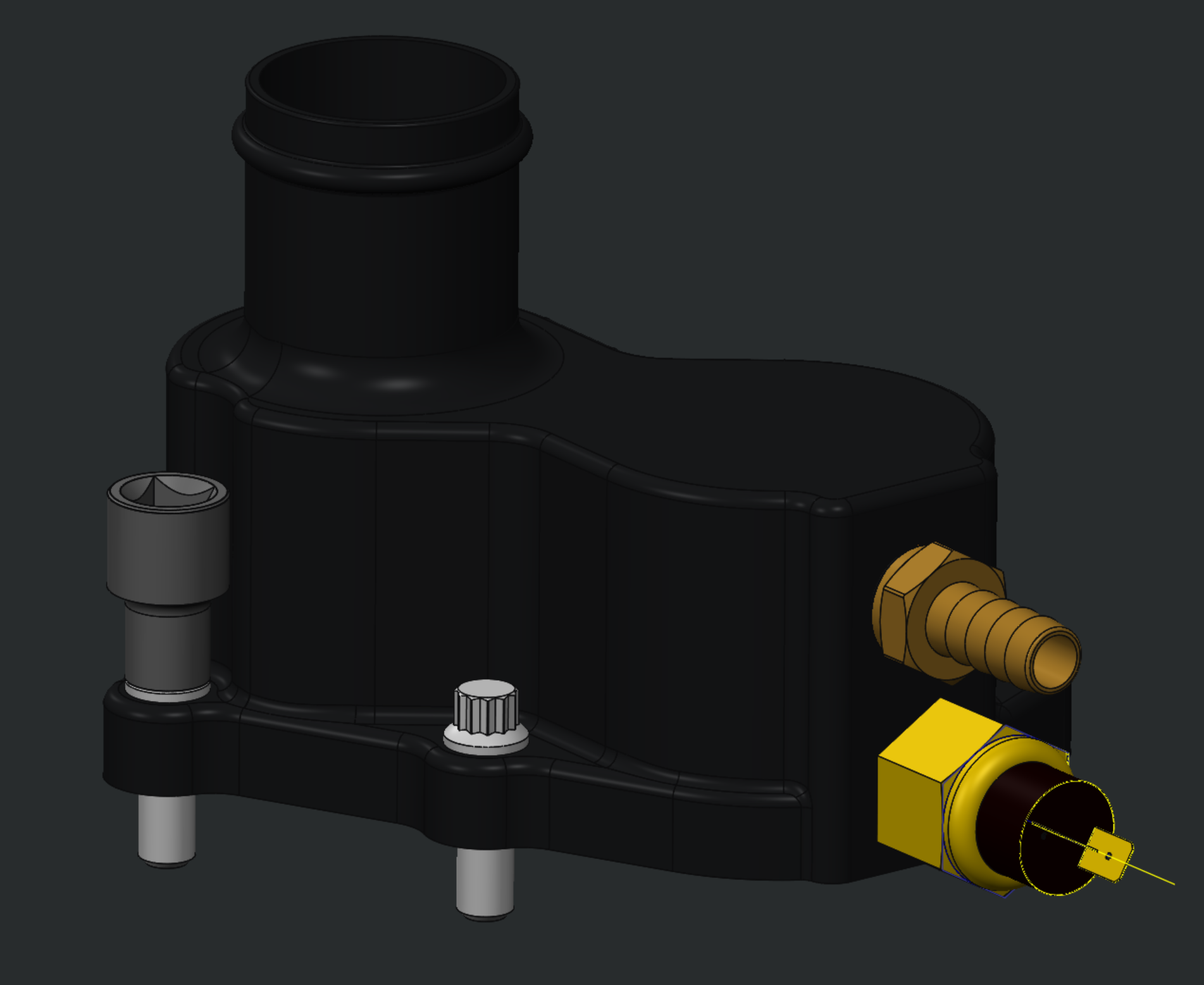
01
Define the product and its interfaces.
Establish the geometry, packaging, connections, and critical relationships before committing to hardware.
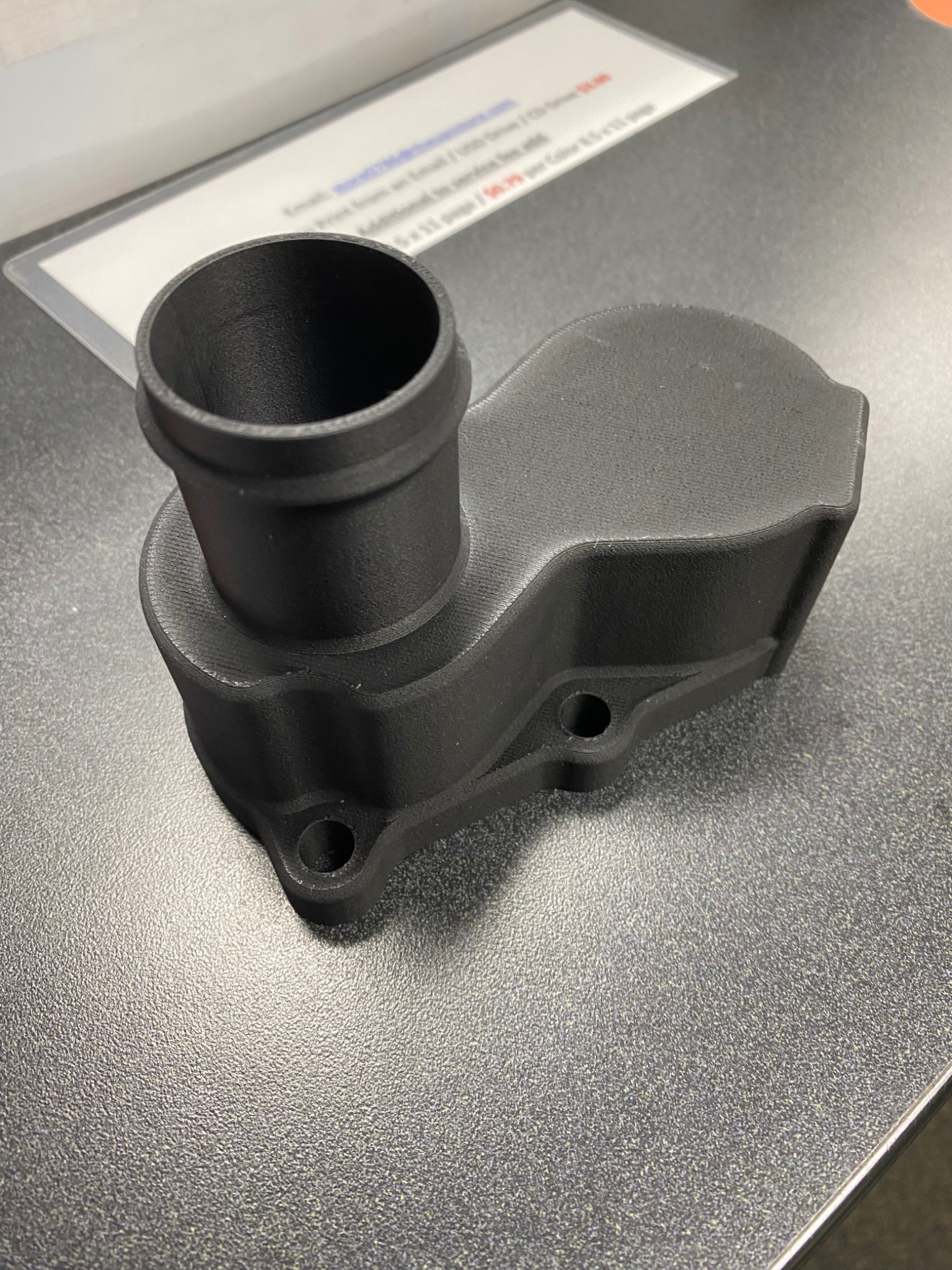
02
Make the design physical early.
A prototype turns assumptions into something that can be handled, assembled, measured, and challenged.
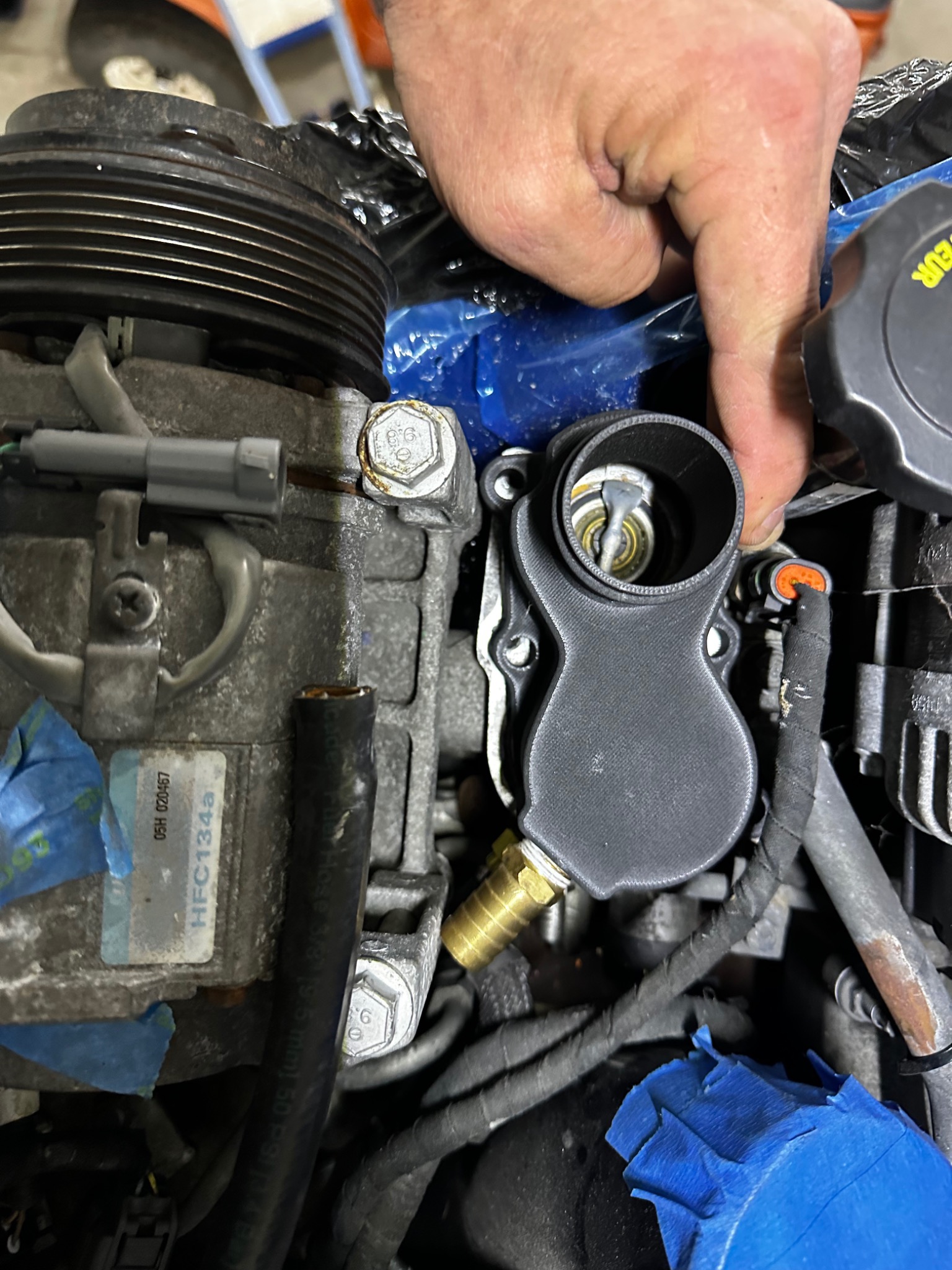
03
Test it where it actually has to work.
Real installation exposes fit, access, interface, service, and functional issues that are easy to miss in isolation.
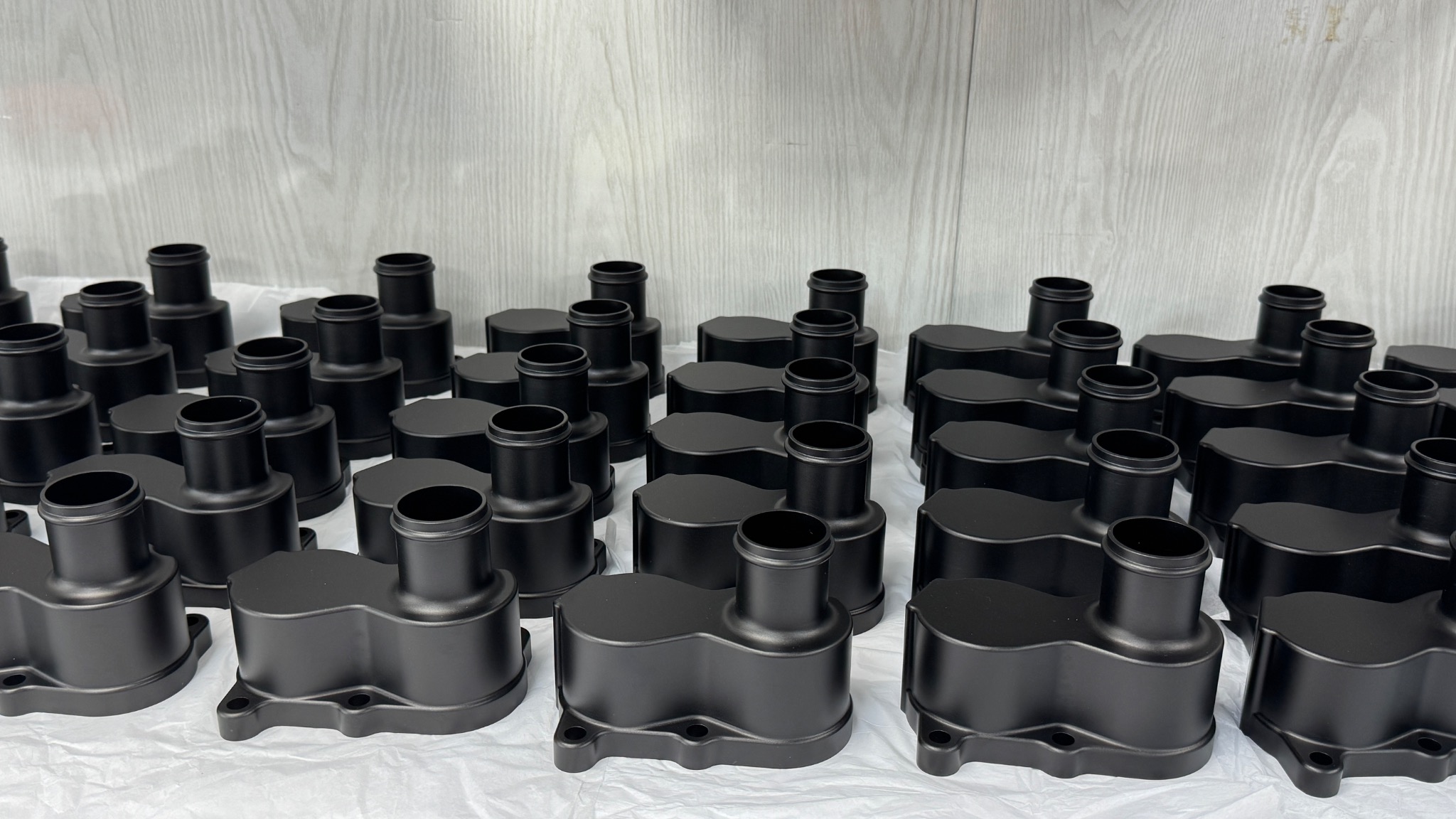
04
Carry the product into repeatable manufacturing.
Tooling, process, suppliers, and production details become part of the design so the result can be made consistently.
From Product to Platform
Sometimes the first product reveals the larger opportunity.
A good development architecture can expose reusable interfaces, configurable geometry, common tooling, manufacturing methods, or IP that support an entire product family rather than a single launch.
01
Find the stable interface
Identify what can stay consistent across customers, applications, or variants.
02
Isolate the meaningful variation
Keep customization where it creates value instead of allowing it to spread through the whole product.
03
Reuse the manufacturing path
Common processes, tooling, suppliers, and documentation reduce the cost of every subsequent variant.
04
Build value beyond the SKU
The architecture itself can become reusable capability, a product platform, or defensible know-how.
Development Doesn't End at the Prototype
A successful product still has to become repeatable, economical, and supportable.
Depending on the product, that may mean building the production system, developing suppliers, or creating a reusable platform for future variants.
02
Prototype to Production
When the product works and the next problem is making it repeatable.
03
Low-Volume Manufacturing
When the product needs a production model built around its actual volume.
05
Reusable Engineering Platforms
When the architecture can support a family instead of one isolated product.