The product stayed the same.
The production system changed completely.
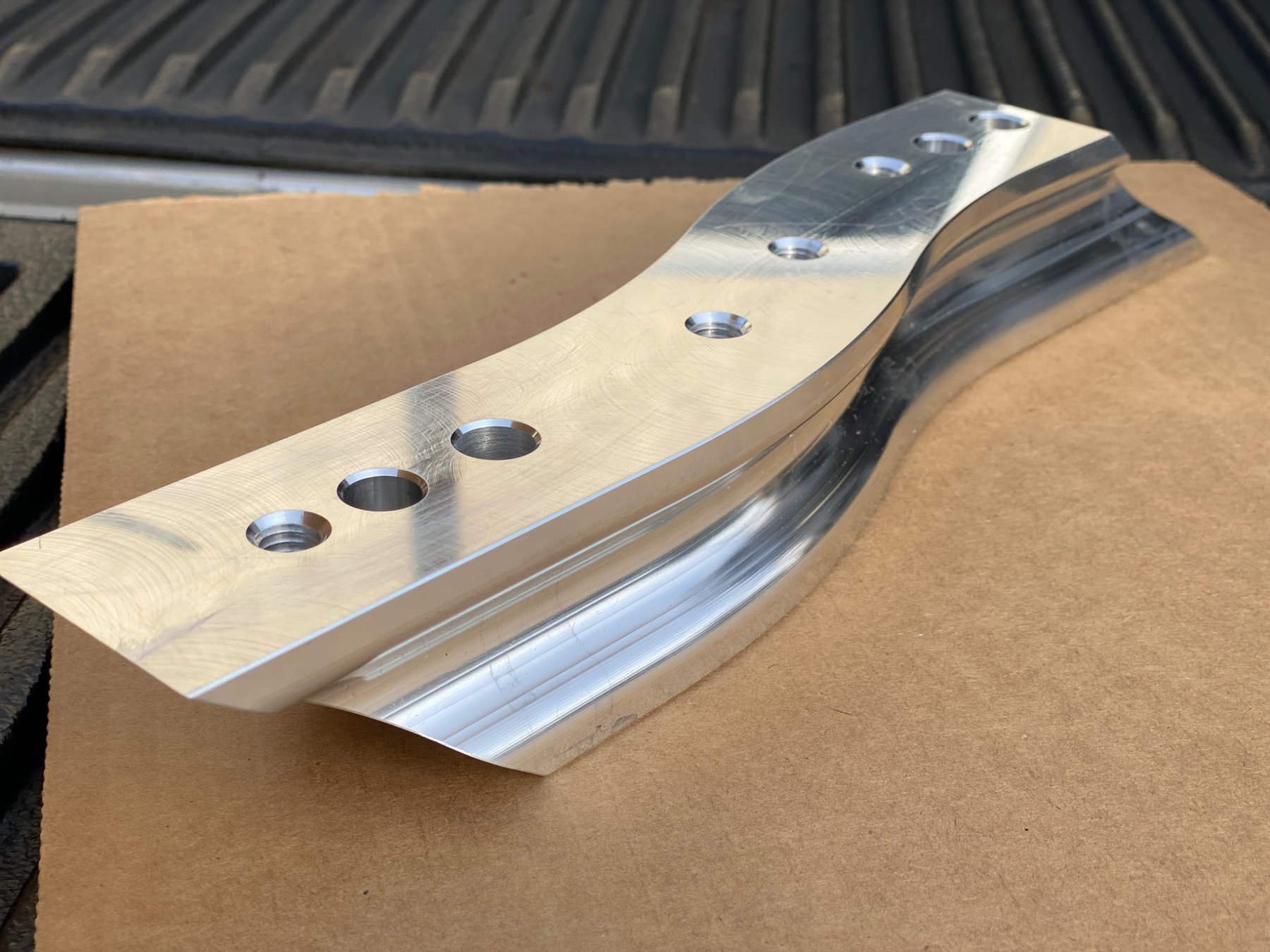
A specialized marine product already worked. The constraint was the manufacturing model: model-only, in-house machining was costly, difficult to outsource, and hard to reproduce across suppliers.
Start here
What are you trying to build or improve?
Tell us what you're working on, what you're trying to accomplish, and what is getting in the way.
Before
$2,000+
unit cost
After
~$1,000
unit cost
Production
~400 / yr
repeat production
The Challenge
The manufacturing knowledge lived inside the process.
The existing system produced good parts, but much of the knowledge required to make them was implicit. Parts were machined in-house directly from CAD models without a complete drawing package, making outside production difficult to control and reproduce.
MODEL-ONLY
The shop knew how to make it
Internal machining could work from the models, but suppliers lacked the complete dimensional and tolerance definition needed to reproduce mating parts independently.
MULTIPLE SETUPS
3-axis machining carried process overhead
The prior approach relied on special tooling and multiple setups, increasing handling, alignment risk, and recurring manufacturing effort.
OUTSOURCING
One part was hard to transfer
Without formal product definition, even outsourcing one component created fit and interface risk across the rest of the assembly.
The Diagnosis
This was not primarily a product-design problem.
The fundamental product geometry did not need to be reinvented. The opportunity was to engineer the production definition around the product so independent suppliers could make and inspect mating components correctly.
That meant extensive tolerance analysis, a complete drawing package, a better machining strategy, and a supply chain built around explicit requirements rather than knowledge trapped inside one shop.
The cost problem was not solved by finding one cheaper quote. It was solved by making the product portable between capable manufacturers.
ENGINEERING DEFINITION
Make the product transferable.
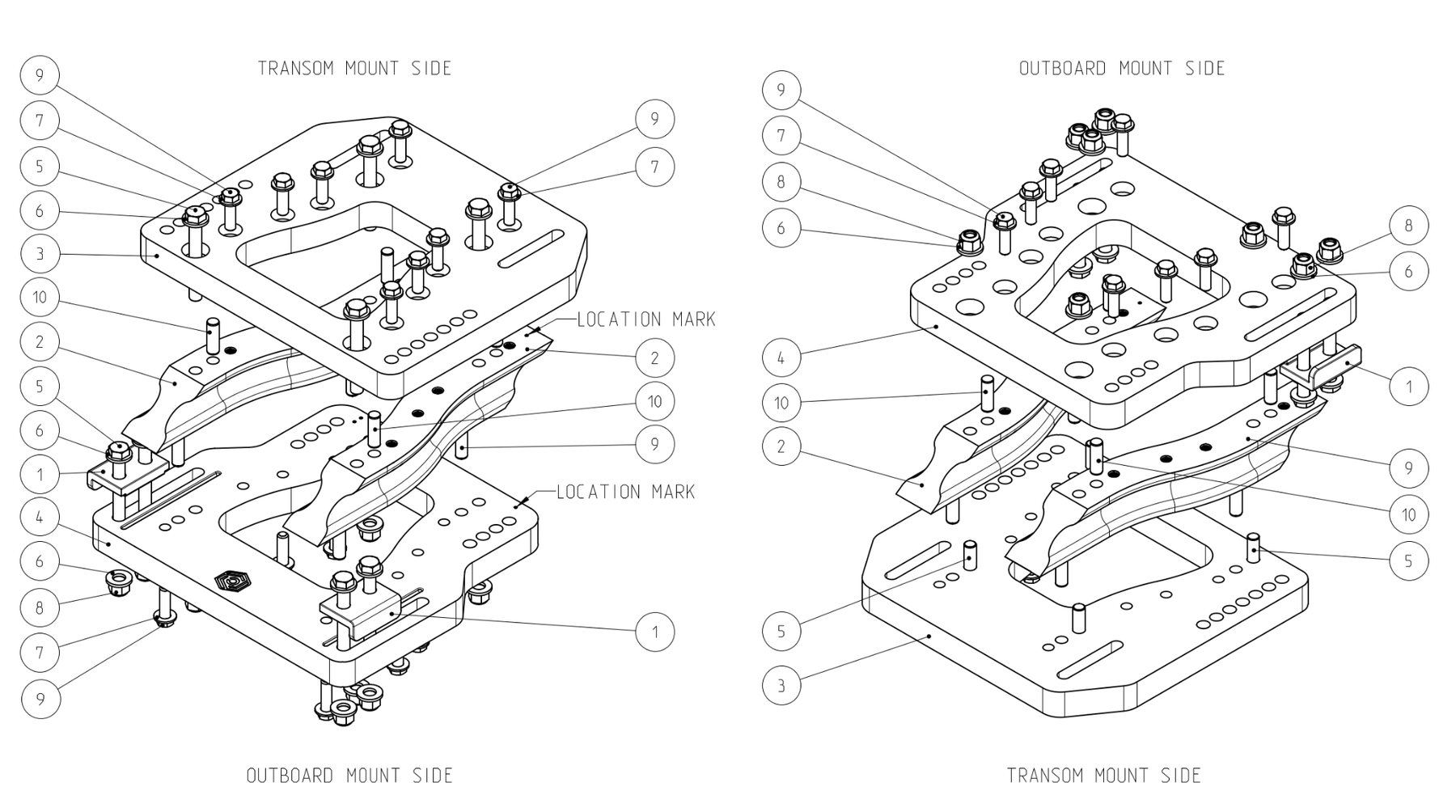
A complete drawing and tolerance package replaced model-only tribal knowledge and gave outside manufacturers a controlled basis for machining, inspection, and assembly fit.
What Changed
Manufacturing became a defined system.
The product stayed largely intact. The engineering definition, machining strategy, inspection path, and supply-chain model changed around it.
01
Replace implicit knowledge with complete definition
Telodyn performed extensive tolerance analysis and created the drawing package required to outsource production globally with controlled interfaces and inspection requirements.
02
Reduce setup complexity at the process level
A 5-axis machining strategy replaced much of the special tooling and multi-setup burden of the earlier 3-axis approach, creating a cleaner path to repeatable outsourced production.
03
Define how independent suppliers prove the result
Machining requirements were paired with inspection and batch documentation so production could be verified without relying on familiarity with the original in-house process.
04
Grow from one part into a production capability
The scope expanded from supplying one component to multiple parts and then full assemblies. Telodyn now owns the production supply chain aside from final assembly checks and warehousing.
Production in the Real World
Define it. Make it. Inspect it. Repeat it.
The evidence is the production chain itself—from 5-axis machining through inspection, finishing, and recurring shipment.
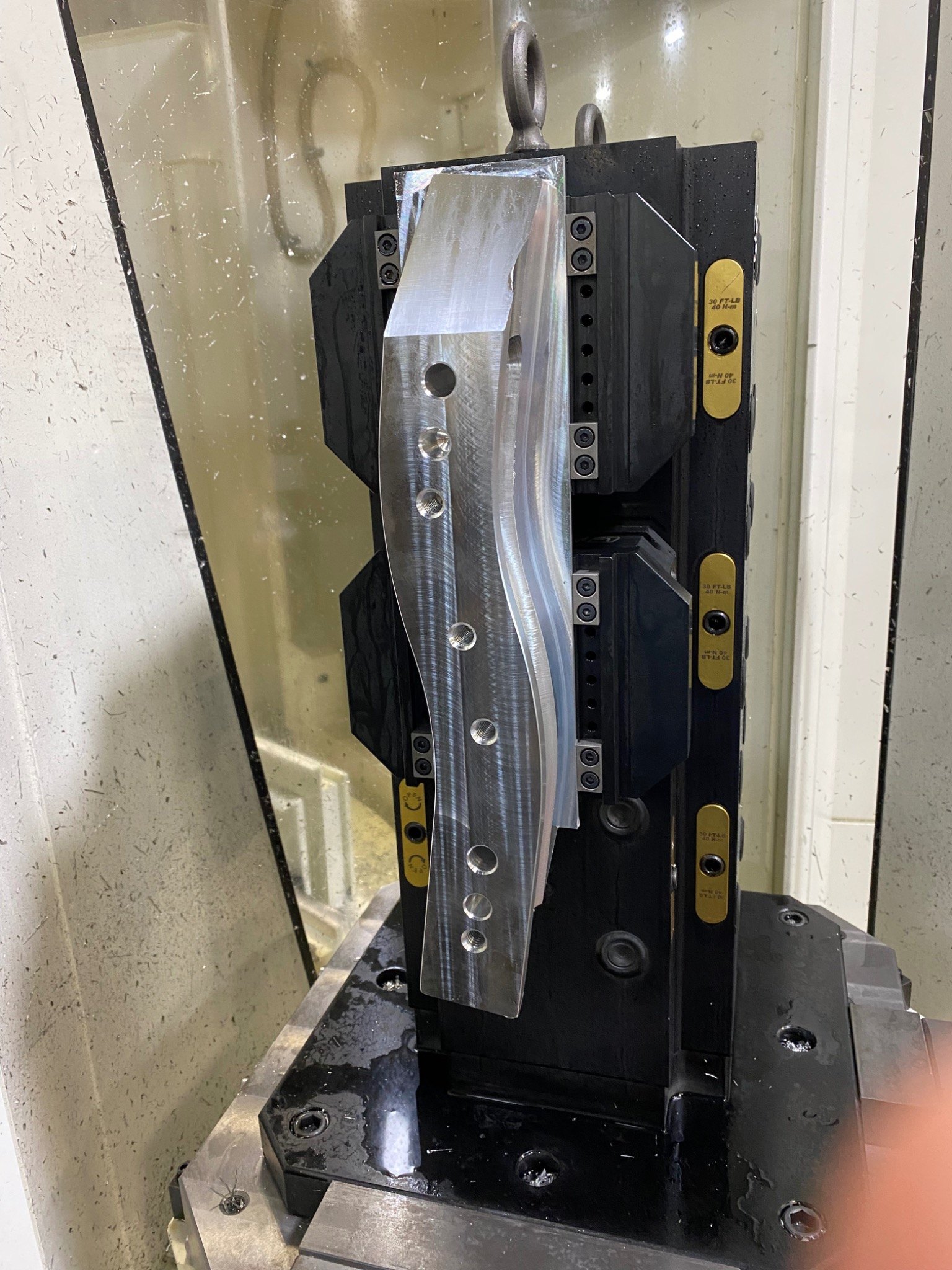
5-AXIS PRODUCTION
Dedicated tombstone workholding and 5-axis machining reduced the setup burden of the previous manufacturing strategy.
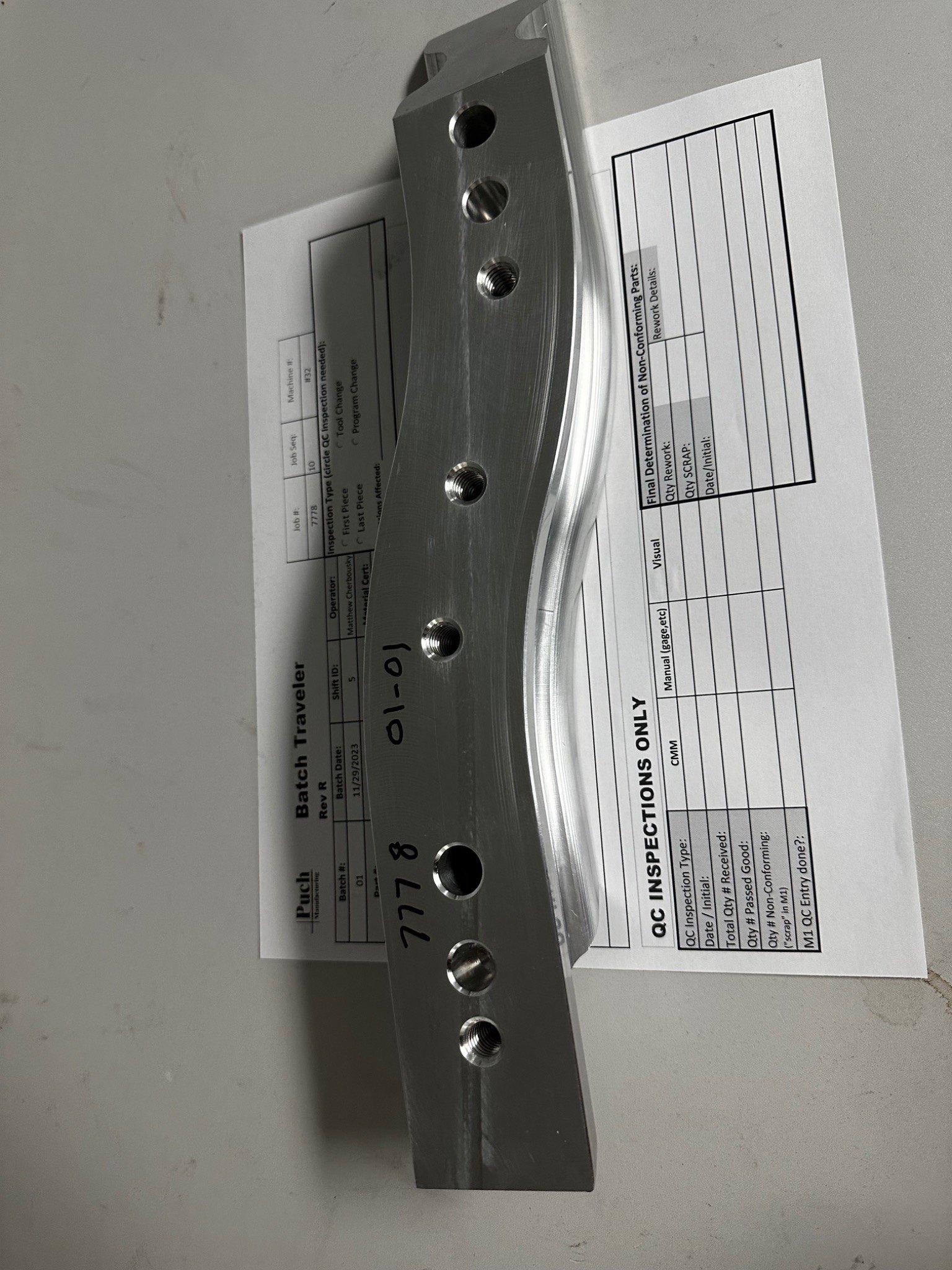
INSPECTION
The product definition extends through inspection and batch documentation, allowing suppliers to verify the result independently.
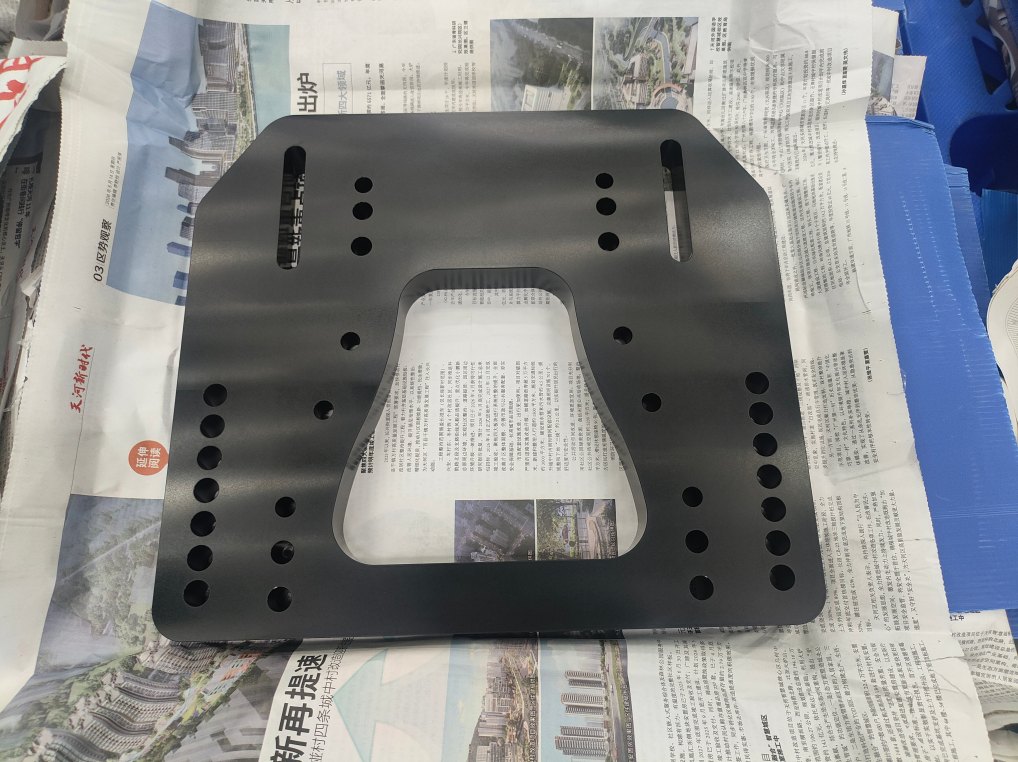
FINISHING
The managed production path extends beyond machining into finishing and delivery readiness.

REPEAT PRODUCTION
Recurring batches show the difference between proving one part and building a supply system that can keep delivering.
From Part to Supply Chain
The scope grew because the system worked.
Telodyn initially supplied one component. That expanded into multiple parts and now full assemblies of components.
Today, Telodyn owns essentially the entire production supply chain aside from the customer’s final assembly checks and warehousing.
The next step is packaged, assembled, and verified product delivery.
The Result
Better economics—and a manufacturing system behind them.
The cost reduction mattered. The more durable result was converting manufacturing knowledge that lived inside one shop into a portable, documented, globally outsourceable production system.
Unit Cost
$2,000+
~$1,000
Ongoing Production
~400 / year
Repeat production at meaningful low volume, supported by a defined manufacturing and supplier system rather than one-off fabrication.
Why It Matters
Outsourcing a part is not the same as engineering a supply chain.
Sending a CAD model to another machine shop does not automatically transfer the knowledge required to reproduce a product.
That knowledge has to be made explicit—in tolerances, drawings, workholding, machining strategy, inspection requirements, supplier qualification, and the operating model around the part.
The product stayed largely the same. The capability around it changed completely.
Related Problems
This case sits at the intersection of several Telodyn problems.
01
Manufacturing Cost Reduction
When the product works but the economics do not.
02
Prototype to Production
When technical intent exists but the manufacturing definition and supply system still have to be built.
03
Low-Volume Manufacturing Systems
When recurring volume is real but conventional production economics do not fit.